
07. The Open Internet
How a messy world of pages and public answers made the web feel open.

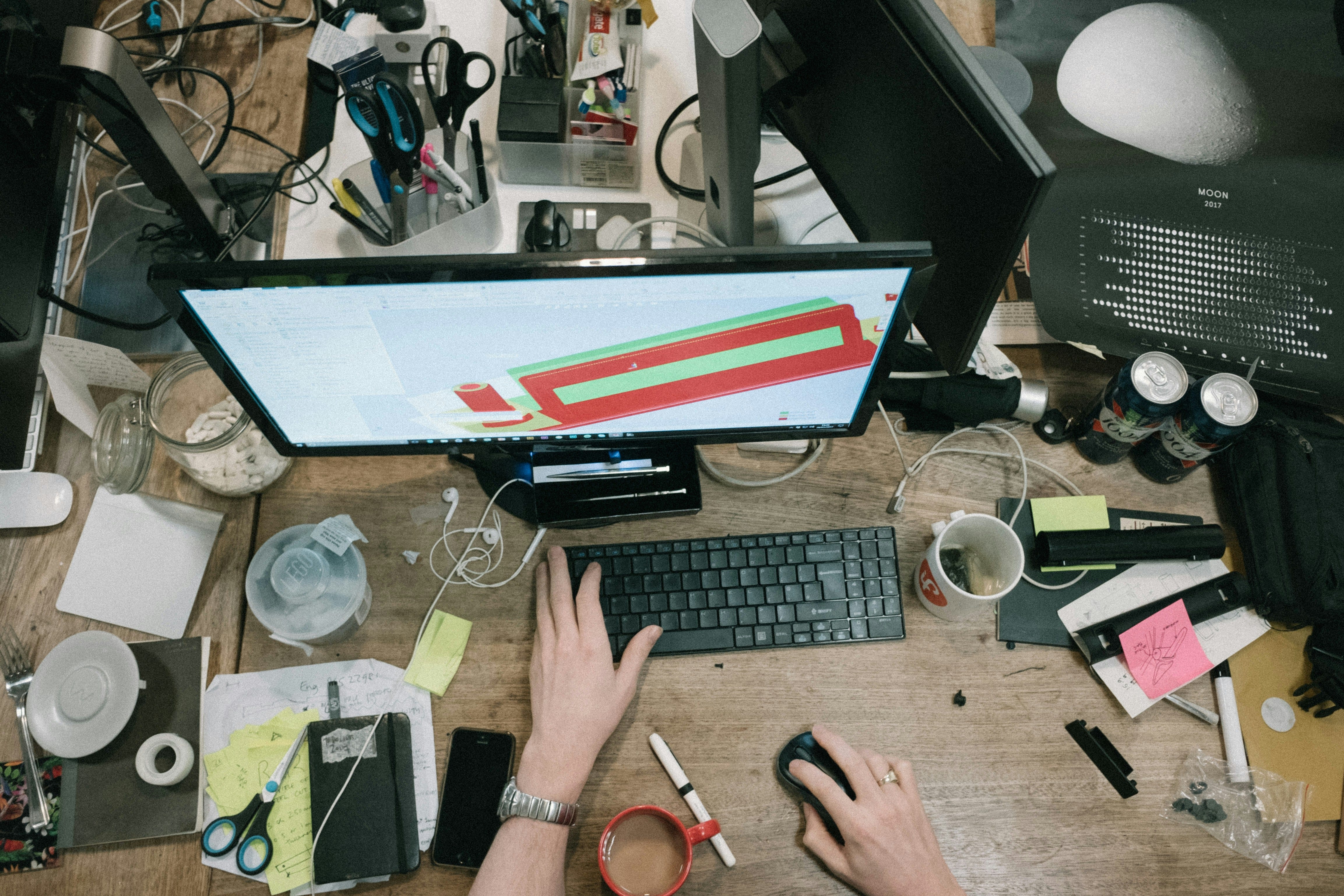
For a while, the internet felt like pages. You searched for something ordinary and landed on a patchwork of useful clutter: a WordPress blog, a dead forum thread, a university PDF, a fan wiki, some ugly page built around one narrow competence. The web was often amateur, cluttered, and faintly ridiculous. It was also extraordinarily useful. Search made that feeling possible. You could move from one site to another, from an entry to a PDF to a forum answer, without first submitting to one locked feed or identity wall. The early web felt open because the route stayed loose enough for wandering. That looseness shaped the whole mood of the early web.
By 2015, WordPress was powering a quarter of the web, and Tumblr and Reddit had become enormous public rooms. It was not an innocent decentralized utopia. A great deal was already being hosted by a smaller number of companies. But from the reader’s side, the web still looked scattered. It felt as if many different people were making it.
The distinction appeared in use. The open internet was not the absence of platforms. It was the difference between platforms that still behaved like pages and rooms, and later systems that behaved more like locked feeds. Even the big shared sites pointed outward. Their outputs could still be linked, searched, indexed, and encountered from elsewhere.
One click took you to a blog post with too much text. A second might land on a message-board answer from 2009 that still solved the problem better than anything newer. Then came the stranger competence layer: a scanned manual, or a fan-maintained explanation of something absurdly specific, like a TV plotline, a Linux command, an immigration form, an aquarium disease, a guitar pedal, or a printer driver. The web was not tidy. It was traversable.
The open internet did not need to be pure to feel valuable. It gave people room to search, publish, argue, learn, and wander at low cost while many other parts of life were becoming more managed, expensive, or mediated. The decade was not about one country’s recession; it was about a larger internet taking shape, with room left for wandering.
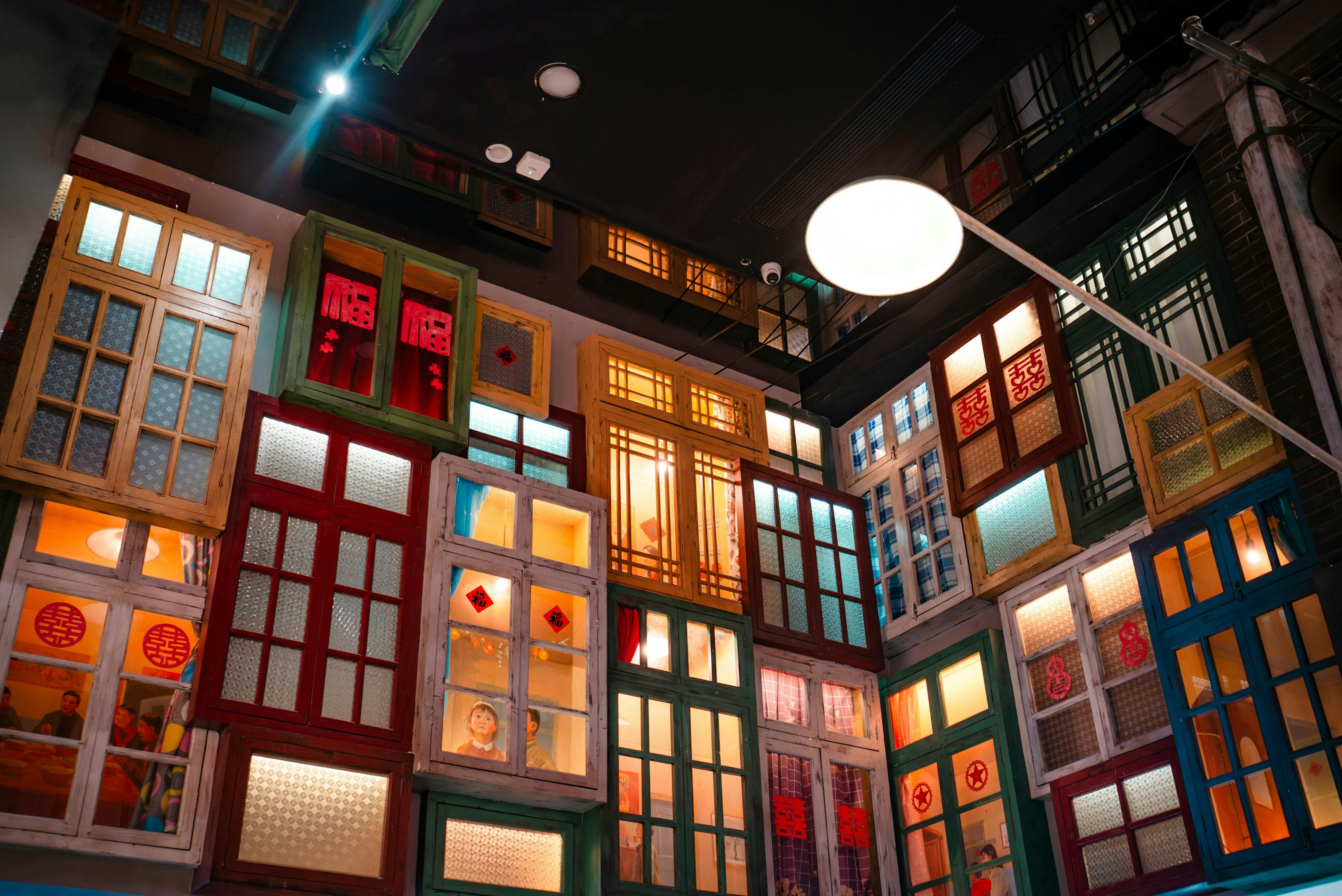
Many Rooms
Part of the period’s appeal came from that structure, and part of its vulnerability did too. Search could feel like exploration rather than retrieval from one master system. One query could still send you in several different directions.
Blogs and forums gave people places to publish, answer, and argue without being folded into one central feed. Comment sections could still produce real exchange despite spam, fury, and neglect. Even when a central service hosted the material, the pages still had the shape of things people had made for themselves.
Tumblr preserved that feeling in a vivid way. It was already a platform, yes, but it still behaved like a strange apartment building rather than a mall. One page might hold black-and-white film stills and Sylvia Plath lines. Turn the corner and you got fan art, gay Sherlock jokes, or Korean pop GIFs. Some of it was adolescent and overdramatic. Much of it was visually influential. What stood out most was the feeling that people still had corners.
Reddit did something related from the opposite direction. It was uglier, blunter, and more argument-driven, but it still contained pockets that felt more like forums than like one polished product. The same site could hold computer-building advice, pornography, war footage, investment panic, and some stranger’s astonishingly detailed answer about how to remove mold from a bathroom ceiling. In the right corners, you could learn an enormous amount there. Wander badly and you could fall straight into stupidity. It was generous and dangerous at once.
Public Answer Machines
Wikipedia, Stack Overflow, and similar sites were the web’s most disciplined answers to that abundance. They were already platforms, but they functioned more like public utilities.
Wikipedia, the volunteer-built encyclopedia, had by then become something close to mental plumbing. People used it to settle arguments, check dates, trace names, refresh half-remembered facts, and begin rabbit holes. By 2016, more than 70,000 volunteers were adding 5 million articles a year, and Wikimedia’s sites were reaching more than 1 billion devices every month. The scale was astonishing; the stranger part was that it had become ordinary.
Wikipedia also pulled people in as participants. They corrected small errors, added local facts, fought over wording, chased citations, and argued in talk pages. Edit-a-thons spread through libraries, universities, museums, and activist circles. For a certain kind of person, improving a Wikipedia entry felt like public service in miniature. The idea that strangers could build a reference work together still carried a civic charge, but it also made the page quieter and more settled than the arguments underneath it often were.
It could even act like infrastructure under threat. You saw that most clearly when the English-language Wikipedia went dark for a day to protest proposed anti-piracy bills that critics feared would give copyright enforcement too much power over websites. People searching for an answer hit a black page instead. The public reference shelf had removed itself from reach.
Its weaknesses were real and famous. Students were warned not to cite it. Experts complained about errors, edit wars, ideological bias, flattening, and the vulgarity of treating a moving target as an authority. The flaws were part of the story; they did not erase the scale of what had been built. A giant reference network written by strangers, revised in public, and given away for free had become one of the first places people looked.
Stack Overflow did something similar for programmers. It was a public question-and-answer site for coding problems, and it grew fast. By late 2010 it had crossed 10 million unique monthly visitors, and a couple of years later it was reporting more than 24 million a month and thousands of new questions every day. Users were already putting their reputation scores on resumes. Recruiters were already browsing the site for talent.
A good public answer under a handle could start carrying more weight than a polished credential line. Online credibility gathered around visible scores, accepted answers, badges, and rank. That made competence easier to spot, but it also gave the old help culture a sharper hierarchy. Stack Overflow could be abrasive, pedantic, and gatekept, yet it changed the feel of expertise online. Competence became searchable.
The pattern reached far beyond programming. Forums for every fiddly competence, from photography to immigration paperwork, turned private trial and error into searchable public residue. The person who knew the answer might be a professor, but he might also be a hobbyist, a repairman, a teenager, or an insomniac stranger with a plain handle posting at one in the morning. The web made room for all of them.
Built in Public
Software followed that public habit too. GitHub passed 10 million repositories by the end of 2013, more than half of them created that year. To programmers, it was obviously useful: a place to store code, track bugs, propose changes, and watch projects evolve. But the larger cultural shift sat in the workflow. Improvements could be proposed in public. Forks could exist side by side. People could inspect how something had been made and try to make it better.
Soon the workflow escaped code. Public-data projects, legal drafts, art metadata, and other collaborative documents began borrowing the same public revision logic. The open-source world stopped feeling like a side camp for purists and started feeling like infrastructure, much of it maintained in public while companies learned to depend on that maintenance.
he work happened in public, but decisions still belonged to someone. Maintainers decided what got accepted, companies shaped the tools, and experienced insiders set many of the norms. But the period really did place unusual trust in public iteration. If enough people could inspect the thing, patch it, document it, or fork it, there was a chance it would improve. The same faith helped keep a more document-shaped internet alive.
Reading and Listening
The web also kept a real literary layer alive. Documents moved with a strange stubbornness across the web. An academic paper or report could sit on a university server, a think-tank website, a personal blog, an email attachment, or a file-sharing link and still arrive as the same object. It was ugly, stiff, and weirdly durable. It helped preserve the feeling that the internet still contained documents in the old sense.
Digital books reinforced that layer, though Amazon’s Kindle ecosystem made the portability feel more like a private shelf than a public commons. By 2011 Amazon was already saying Kindle book sales had overtaken print on its site, and once the Paperwhite arrived in 2012, digital reading felt less like a compromise and more like a quiet default for many heavy readers.
Podcasting belonged to this looser order too. It moved through subscriptions and RSS feeds, which meant a show could travel easily from one app to another. A listener could switch apps and still find the episode waiting there. That small freedom made the medium feel loose and portable. The effect was close to following a voice.
Podcasting was most visible in the United States, but the format traveled easily because it was cheap to make and easy to distribute. It did not need a broadcast slot or a national network to feel real. By the middle of the decade, podcasting had become its own audio world. The medium was stitched together by voices, links, guest appearances, and recommendations rather than by one gatekeeper. Serial sat in office kitchens and commutes; 99% Invisible made unnoticed design feel audible; podcasts had begun to leave fingerprints in daily life. They were cheap enough to attempt, portable enough to follow you through dead time, and glamorous enough that plenty of people began thinking they should start one too.
All of this gave the period a different tempo. An evening could vanish into tabs rather than one pinned stream: a long argument, then another, then a downloaded document, then a new show, then a forum archive. The web rewarded curious wandering.
Open, with Limits
None of this made the web innocent. Openness carried familiar web decay with it: broken links, piracy, hoaxes, SEO slop, weak filters, stolen scans, and business models that barely worked. Many forums were smug, rude, paranoid, or deranged. Many blogs were unreadable. A lot of independent sites looked terrible. A commons was messy and imperfect, not paradise, but it still made the web worth exploring.
A curious person could move from a blog to a fan wiki to a document or scanned paper to a forum thread to a Wikipedia entry to a Stack Overflow answer to a GitHub repository and keep finding different kinds of voices, formats, and uses. The internet became a world made of many surfaces. The web gave off the sense that useful things had simply been placed in public by other people, waiting to be found.
This chapter is part of "Obama Era", a book-in-progress about the culture, technology, politics, and hidden fractures of 2008-2016.
Read the full chapter list here: Table of Contents
Previous: Chapter 06. There's an App for That
Next: Chapter 08. Watch and Learn